How we’ve become obsessed with top-shelf butter, one flaky croissant at a time
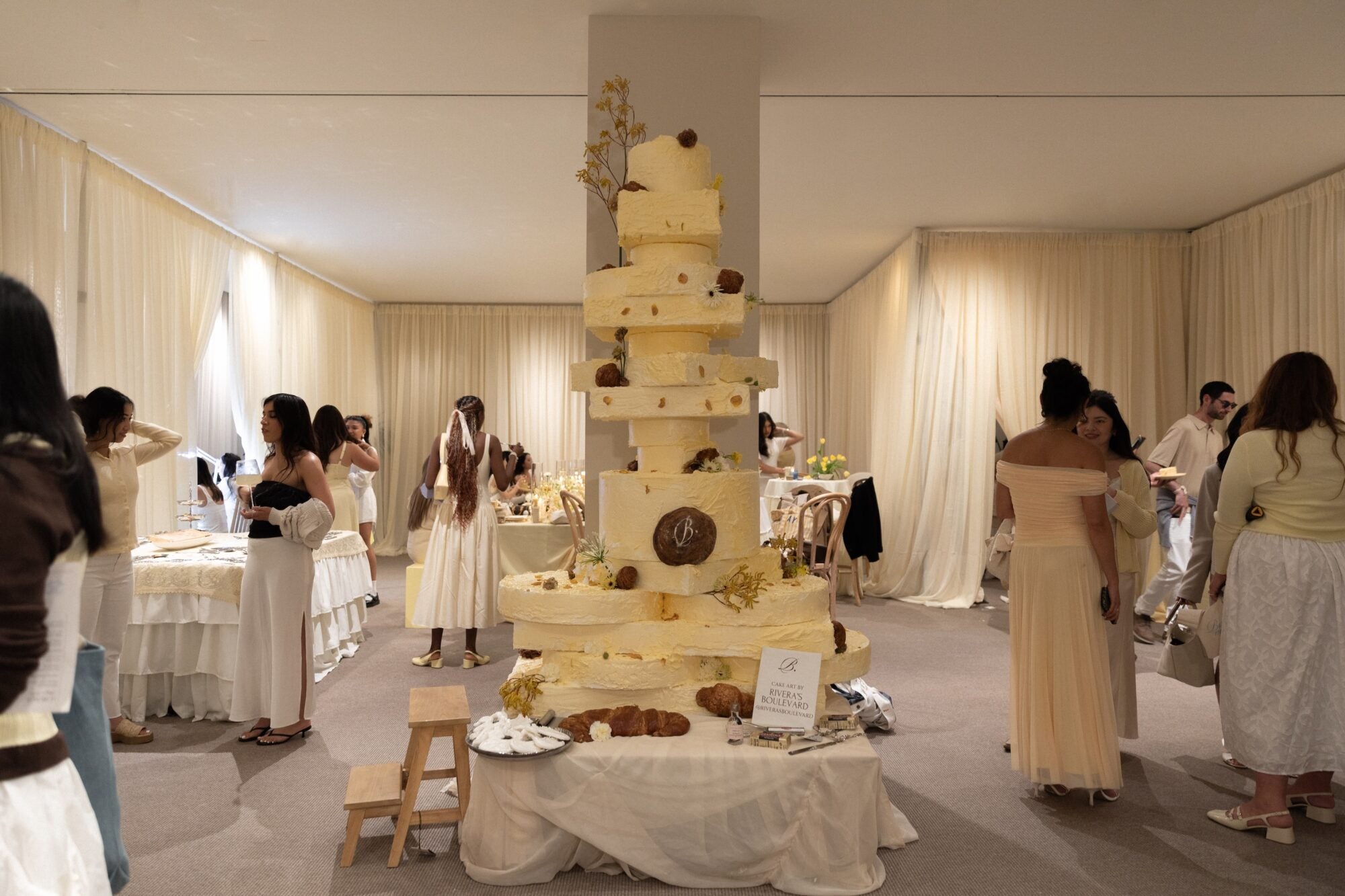
Last August, close to 30 of San Francisco’s fashion influencers gathered on butter stick-shaped benches across from a wedding-cake-styled sculpture made of butter. As TikTok and Instagram girlies danced in yellow dresses and posed with croissants the size of their heads, the meticulously branded brunch event, sponsored by the American “European-style” butter brand Plugrá at San Francisco’s chic 1 Hotel, made it clear that butter had entered a new realm—not just as a luxury but as a crescendoing status symbol.
The evidence of butter’s influence on fashion is mounting: spot it as a campaign prop for the fashion brands Jacquemus and J.Crew, as inspiration behind a surreal perfume, or as the main at a launch event by influential gender-neutral clothing brand NUMÉRO 202020. Find it at the heart of an influencer craft brunch in New York City, sponsored by Kerrygold. Gaze at Timothée Chalamet’s take on the butter yellow outfits trend with his Givenchy suit at the 2025 Oscars, or score Molly Baz’s latest butter yellow cookware colorway collab with Our Place. Or head to the gourmet speciality deli and watch its price nearly double compared to your standard-issue grocery store butter stick, with brands like Plugrá, Kerrygold, Beurremont, and Le Beurre Bordier taking center stage online and IRL.
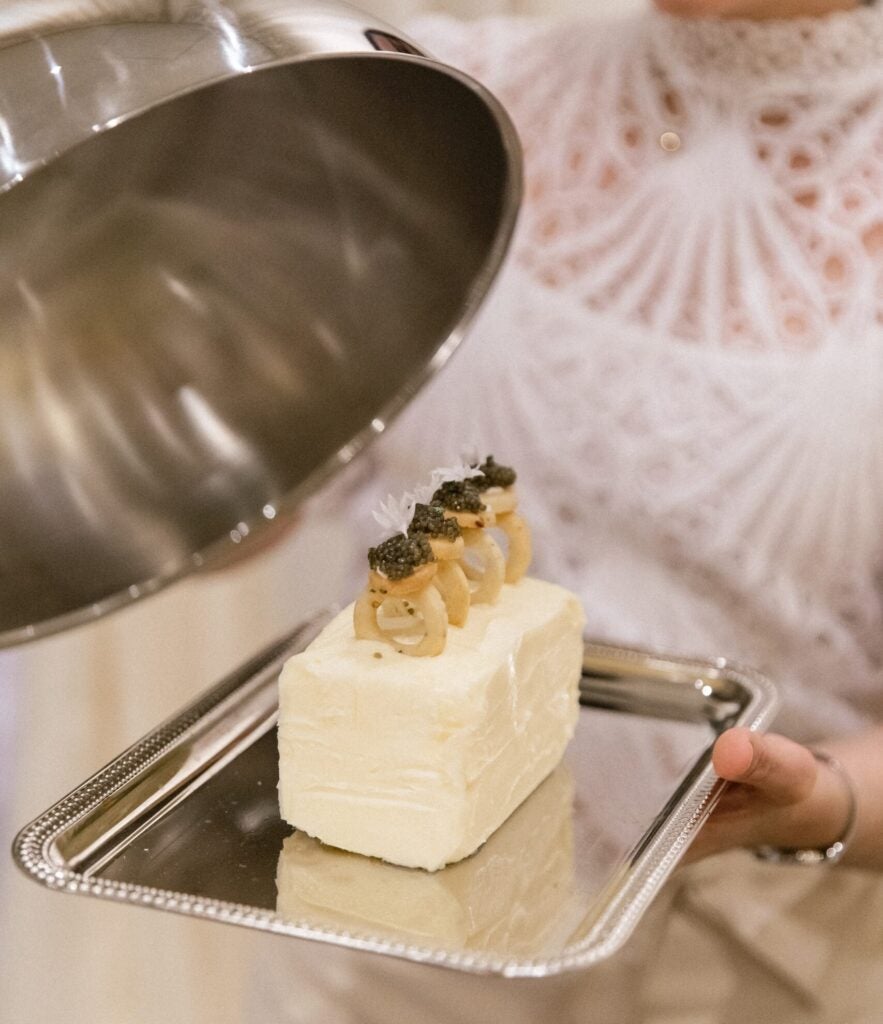
Scenes from a Plugrá activation.
The way Brooklyn baker and recipe developer Laurie Ellen Pellicano puts it, “these butters that used to be the domain of fancy cheese shops are now just everywhere.” But did the San Francisco influencers actually influence, causing followers to pay anywhere from $8.39 to for four sticks of the stuff? And do the estimated 8.6 million home bakers in America really care? Fancy butter is definitely having a luxury moment—but is that translating to sales? Is it worth the hype?
Butter is no stranger to hype and fanfare, as evidenced by the TikTok-fueled 2022 viral butter board trend and the 2024 craze, leading to the appearance of curiously shaped, oversize butter sculptures at dinner parties and status events from product launches to influencer weddings. But if those trends were rooted in aesthetics, these newly influential butter brands use their marketing budgets to emphasize the benefits of European-style butter’s high fat content.
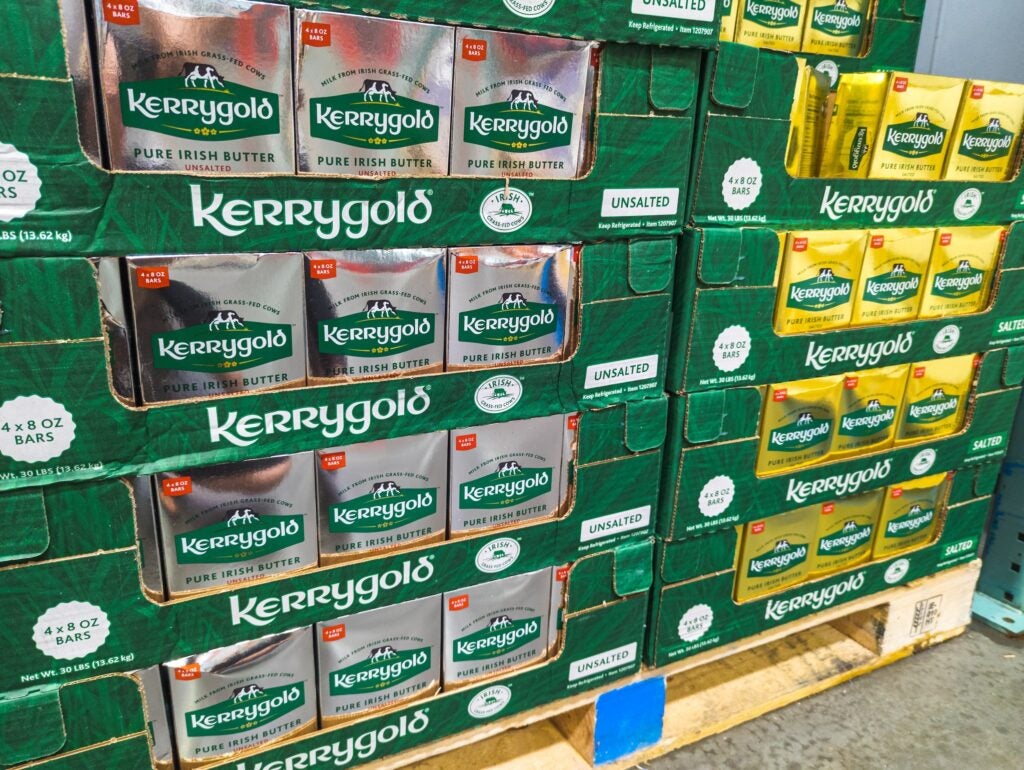
Big-box retail like Costco and BJ’s have gotten in on the fancy butter business.
For recipe developer influencers working in the baking space, this is pretty much a game changer—and a great opportunity to get granular. “I’m always thinking about what you can buy at the grocery store,” says Brandon Cochran, a sourdough baker and content creator from Granville, Massachusetts. “Ten to fifteen years ago, calling for higher-fat European-style butter in recipes wasn’t a thing, but now we will call for specific types of butter for pie crusts or croissants.” According to Cochran, higher fat is the pathway to creamier, richer breads, flakier croissants, and a more luxurious brioche. “It’s available, and people like me and content creators talk about the nuances—you can literally taste the difference.”
Pellicano, a baker known for her cookies, worked as a recipe tester on Samin Nosrat’s new book release, Good Things. Her recipe for cardamon shortbread is included in the book, and a limited-edition cookie tin was sold, timed to publication. As more people realize that not all butter is created equal, she says, “I do see parallels in how we’ve educated home cooks about using different olive oils for cooking versus eating.”
In the United States, butterfat percentage varies from 80 to 82%, compared to 82 to 85% in Europe. Pellicano prefers Beurremont, a Vermont-produced 83% fat butter that “creams like a dream and bakes like a champion.” Overall, she says, “the fancy stuff has this gorgeous color, mixes with less breakage, and has way less water,” but it’s most noticeable in unbaked applications like buttercream. “There’s nowhere for mediocre butter to hide when you’re basically just whipping butter and sugar together.”
When butter is the star of the home cooking motion picture of your life, it is worth buying into the hype. “Think biscuits, brioche, croissants, pound cake,” says Detroit-based baker and content creator Andrew Littlefield, known on social media as “the bagel and pizza guy”. In such cases, Littlefield says, he’ll pay a premium for cultured butter with a higher fat content, up to 86% if he can find it, preferring products imported from France. “It used to be a rare find, but now you’ll see brands like Président, Isigny Ste-Mère, and even Rodolphe Le Meunier pretty regularly,” he says. “With recipes that only have a few ingredients, butter has to pull more weight, and let’s be honest, run-of-the-mill American butter just doesn’t deliver enough fat or flavor for that.”
According to Littlefield, cultured butter, which is fermented before churning, brings tangy, nutty amplification to the baking process and contributes to a “richer, more flavorful baked good—with just a bit more character.”
Still, the best butter isn’t always the one you see at the center of stylish events and collabs. Both Cochran and Littlefield name-check Vermont Creamery butter, which has 82% butterfat. It’s relatively pricey, starting from around $7.99 for an 8 ounce tube, but not necessarily trendy. “They make quality butter without it having to cross an ocean. That’s fancy in my book,” Littlefield says.
When butter is the star of the home cooking motion picture of your life, it is worth buying into the hype.
Occasionally, however, reaching for a premium butter can be not just expensive but objectively unnecessary or even wrong. “If I’m baking something like oatmeal cookies, where there are a bunch of other flavors going on, I’ll just use something more basic like Kirkland,” says Halyna Hallavurta, who runs a cottage bakery business in Pleasant Hill, California. “There’s no need to go fancy when it’s not the focus.” Moreover, when using fancy butter in everyday recipes like cookies, cakes, and muffins, “you can run into problems,” Littlefield says. “Cookies especially spread more because of the extra fat.”
Continued interest in other premium cooking staples, such as salt and olive oil, shows that there are changes afoot in all aisles of the grocery store. For butter, there’s rising interest in the compound or craft “flavored” market, with newcomers like Better Butter, Churn, and Singapore-based BYYOU offering flavors like black truffle, miso, hot honey, and bruschetta. Consumer reports point to a heightened interest in premium butter as part of the “little luxury” movement–a pursuit of small, affordable indulgences. And marketing budgets are increasing accordingly.
“Our influencer partnerships have expanded meaningfully in 2025,” says Jenny Mehlman, senior director of marketing at Dairy Farmers of America, the umbrella brand for Plugrá. The brand’s marketing budget, Mehlman says, had increased 15 to 20% in 2025, and she wouldn’t be surprised if it grew 10% more in 2026. Remember that fashion influencer event? “We’re seeing cooking and baking as art and science,” says Mehlman, “and we think fashionistas understand and appreciate the idea that great ingredients and materials matter.” Premium butter might not have cashmere sweater status yet, but there’s more to come.
Photos: Kerrygold (Shutterstock), Plugrá (Chelsea Gee Photography)